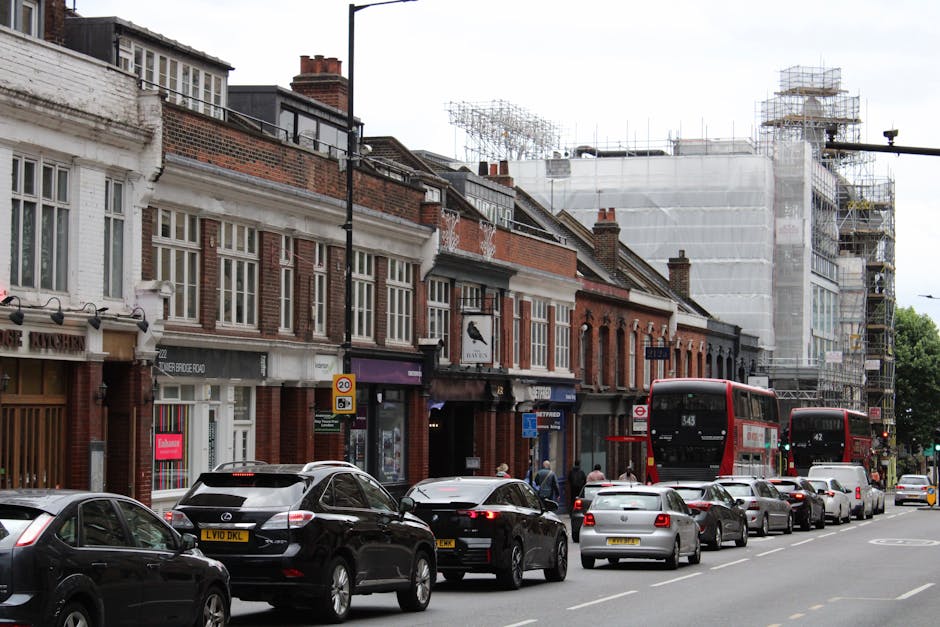

Clapham Common removals guide for busy residents
Posted on 20/06/2026
Clapham Common Removals Guide for Busy Residents
If you are trying to move near Clapham Common while juggling work, children, travel, or just a calendar that refuses to slow down, you already know the problem: the move itself is only one part of it. The rest is paperwork, packing, parking, timing, keys, and that never-ending question of where the kettle box ended up. This Clapham Common removals guide for busy residents is designed to help you keep the process calm, practical, and realistic. No fluff. Just clear steps, local-aware advice, and the sort of move-day thinking that saves time when every hour matters.
Clapham Common has its own rhythm. Roads can be busy, flats are often on upper floors, and many residents are balancing a tight handover window with work and family life. So the goal is not to make moving "easy" in some imaginary sense. It is to make it manageable. Better planned. Less chaotic. And, frankly, less likely to turn into a Saturday you would rather forget.

Why Clapham Common removals guide for busy residents Matters
Moving is not difficult only because of the lifting. It is difficult because it interrupts your life. Busy residents usually need to keep working, keep commuting, keep caring for people, and keep the whole thing from spilling across the week like an open box of screws. Around Clapham Common, that challenge can feel sharper because the area blends busy London living with a lot of varied housing types: mansion blocks, terraces, basement flats, converted homes, and streets where access is not always straightforward.
A practical removals guide matters because it helps you make decisions early, when choices are still flexible. Do you need a full house removals service, a smaller man with a van service in Clapham, or something in between? Will your belongings need packing and boxes support? Do you need temporary storage in Clapham because completion dates are not lining up neatly? These are the questions that decide whether your move feels organised or rushed.
There is another reason this guide matters. Busy people tend to underestimate the small friction points. Parking stress. Lift bookings. Stairwells that are narrower than they looked online. The neighbour who kindly leaves a note about noise, which is fair enough, but still adds pressure. A good plan lowers the number of surprises. And let's face it, during a move, fewer surprises is a very good thing.
Expert summary: The smartest Clapham Common move is rarely the biggest one. It is the one that matches your schedule, access conditions, and actual volume of belongings. Right-sized planning saves both time and money.
For wider local context, it can help to read about Clapham's mix of city pace and neighbourhood calm and, if you are deciding whether the area suits your lifestyle, why Clapham might be your ideal home. Those pieces help frame the move itself, not just the logistics.
How Clapham Common removals guide for busy residents Works
In practical terms, a move near Clapham Common works best when you break it into manageable stages: assessment, packing, access planning, transport, unloading, and settling in. That sounds obvious, but busy residents often try to do all six in their heads at once. That is when things slip.
Start with the inventory. Not a heroic, beautifully formatted spreadsheet unless that suits you. Just a clear list of what is moving. In real life, this is usually the moment people realise they have more than they thought: the wardrobe you forgot to mention, the bicycle in the hallway, the printer under the bed, the three lamps nobody admits owning. Once the list is honest, the plan gets easier.
Next comes the access question. Are there stairs? Is parking tight? Will the van need to stop on a main road? Are there building rules for lifts or moving hours? These details matter just as much as the number of boxes. A team providing removal services in Clapham will usually want to know this early so the right vehicle and crew can be arranged.
Then there is timing. Busy residents often do better with an early start or a split move, especially if they need to be back at work or collecting children later in the day. Some people prefer a same-day approach when deadlines are tight. If your schedule is particularly unforgiving, same-day removals in Clapham can be a sensible option, provided the move volume and access conditions are realistic.
Finally, the move itself should be treated as a sequence, not a single dramatic event. Load methodically. Label clearly. Put essentials aside. Keep valuables close. The process becomes much calmer when each stage has a purpose.
Key Benefits and Practical Advantages
A well-organised removals plan offers more than convenience. It protects your time, your belongings, and your energy. For busy residents, those are not small wins.
- Less disruption: You spend less time hunting for missing items or redoing poor packing.
- Better timing: The move fits around work, school runs, or handover deadlines more cleanly.
- Lower risk of damage: Careful packing and the right vehicle reduce breakages and scuffs.
- More control: You can prioritise what moves first and what stays accessible.
- Less physical strain: Helpful when you are already running on a full week.
- Cleaner handover: A structured move makes it easier to leave one property tidy and enter the next properly.
There is also a psychological benefit that people often miss. When the move is planned properly, the day feels lighter. Not easy, exactly. But lighter. You are not reacting to everything. You are following a structure. That matters, especially when you have a work call at 2 pm and a washing machine delivery due at 4.
For larger or more delicate items, specialist support can be worth every penny. A piano, for example, is not something you want to "just get through the doorway somehow". If that is part of your move, piano removals in Clapham may be the safer, saner route. Likewise, bulky furniture is often easier handled by a team used to furniture removals rather than a DIY approach with a borrowed van and crossed fingers.
Who This Is For and When It Makes Sense
This guide is especially useful if you fall into one of these groups:
- Professionals moving on a tight deadline between jobs or lease dates
- Families trying to coordinate school, childcare, and a property handover
- Flat movers dealing with stairs, shared entrances, or limited parking
- Students who need a fast, low-stress solution before term starts or ends
- Landlords or tenants managing a same-day turnaround
- Homeowners with more furniture than they first admitted to themselves
It also makes sense if you are moving only a short distance. Short moves can be deceptively stressful. Because the distance is small, people assume the logistics are simple. They are not always simple. A two-mile move with poor access and a narrow window can be more stressful than a longer journey with good planning.
If you are moving a flat, the constraints are often more about access than volume. That is where flat removals in Clapham become especially relevant. If you are a student trying to fit a move around exams or term dates, student removals in Clapham can be a better match. If your move involves an office rather than a home, the logistics shift again, and office removals in Clapham may be the right fit.
Truth be told, busy residents usually need one thing above all else: a move that bends around their life, not the other way around.
Step-by-Step Guidance
1. Confirm your moving date and access window
Before anything is packed, pin down the realistic time window. If you have a tenancy end time, completion time, or building access restriction, write it down. Then work backwards. It sounds basic, but this is where a lot of avoidable stress starts.
2. Decide what level of help you actually need
Be honest with yourself here. Do you need full-service moving help, or just transport and lifting? If you are only shifting a few rooms of belongings, a man and van service or a man with van option may be enough. If you are moving a full household, a fuller house removals service is usually more sensible.
3. Separate essentials from everything else
Pack one bag or box for the first 24 hours. Include chargers, medication, documents, tea bags, a mug, toilet roll, and a change of clothes. It is not glamorous, but it is the difference between a decent first evening and a miserable one. You will thank yourself later.
4. Pack by room, not by mood
Room-by-room packing makes unpacking far easier. Label each box clearly with the room and a short contents note. "Kitchen - pans and bowls" is much better than "misc.". And honestly, "misc." is often where good intentions go to die.
5. Protect fragile and awkward items
Wrap glassware, lamps, mirrors, and electronics properly. If you do not want to buy a mountain of supplies, a dedicated packing and boxes service can make a big difference. It is not just about boxes. It is about using the right sizes, the right fill, and the right tape so things actually stay together.
6. Plan parking and loading early
Clapham Common is not the place to leave vehicle access to chance. If your road is narrow or busy, make sure loading points are agreed in advance. A slightly awkward parking plan on paper becomes a very awkward plan when the van arrives and there is nowhere sensible to stop.
7. Keep a clean handover flow
Set aside cleaning supplies, meter readings, keys, and the final paperwork. If you are leaving a property and arriving at another on the same day, this can feel like a lot. That is normal. Just give each task a slot rather than trying to do all of them at once.
8. Unpack the basics first
Set up beds, essentials, and kitchen basics before worrying about decor. The room will still look like a move happened. That is fine. The point is to get functional quickly. Pictures on the wall can wait a day or two. Sleep cannot.
Expert Tips for Better Results
Here are the small things that tend to make a big difference:
- Book earlier than feels necessary. Good dates fill quickly, especially around month-end.
- Overestimate the time you need. London traffic, access delays, and lift queues are real.
- Use colour labels. A simple colour per room can save a surprising amount of time on move day.
- Photograph cables before unplugging. Future-you will be grateful when the router is looking mysterious.
- Keep valuables and documents with you. Do not tuck them into a random box. That way lies regret.
- Measure awkward furniture. Especially if you live in a top-floor flat or a converted building.
A lot of busy residents also benefit from asking one extra question before confirming the booking: what happens if the move runs later than expected? That little conversation can prevent a lot of quiet panic. It is not pessimism. It is just planning like an adult, really.
If you want to compare service style and expected levels of support, you can also look at broader services overview information and then decide whether you need a larger team, a smaller vehicle, or simply help with the heaviest bits.

Common Mistakes to Avoid
Most moving mistakes are not dramatic. They are small and cumulative. That is what makes them annoying.
- Leaving packing too late: The classic. It leads to rushed boxes, broken items, and unnecessary stress.
- Underestimating volume: Most homes contain more than people expect, especially once cupboards are opened.
- Ignoring access issues: A great move plan can be undone by one blocked parking space.
- Not booking the right support: A tiny van for a full house is not a plan; it is a puzzle.
- Forgetting the first-night box: Very common, very irritating.
- Mixing fragile items with heavy ones: Usually discovered too late, and not pleasantly.
One slightly funny but very real mistake: people often pack the kettle last and then cannot find tea until bedtime. In the UK, that is basically a morale issue. Don't do it to yourself.
Another one is assuming all moves need the same kind of service. They don't. If you only need a quick, smaller load moved, a removal van in Clapham may be the better fit than a full-scale operation. Using the wrong size vehicle is one of those details that seems minor until it suddenly is not.
Tools, Resources and Recommendations
You do not need a drawer full of specialist equipment, but a few practical tools make a move run more smoothly:
- Strong tape and a tape dispenser
- Marker pens for clear box labels
- Furniture covers or blankets
- Bubble wrap or paper for delicate items
- Zip bags for screws and fittings
- A phone charger and portable battery pack
- Basic cleaning supplies for the old and new property
If you are moving on a tight timetable, it can also help to choose services that reduce the number of separate jobs you need to coordinate. For example, if you need help with the actual loading and transport, removals in Clapham can keep the process simple. If you need a smaller, more flexible approach, man with a van in Clapham is often a good middle ground.
And if you are looking for reassurance on standards and company approach, it is worth reading about the team and their background, plus practical pages like insurance and safety. Those details matter more than people think when belongings are being moved through stairwells and shared entrances.
Law, Compliance, Standards, or Best Practice
For most residents, the legal side of a removal is less about formal paperwork and more about acting responsibly. That means checking tenancy obligations, respecting building rules, and handling belongings safely. If you are renting, your lease may set expectations around move-out condition, key return, and notice periods. If you own, your solicitor or agent may have their own handover requirements. None of this is glamorous, but it matters.
On the practical side, moving best practice usually includes:
- Keeping walkways clear so nobody trips
- Using safe lifting techniques for heavy items
- Protecting floors, bannisters, and door frames where needed
- Making sure the vehicle is suitable for the load
- Handling fragile and high-value items separately
- Respecting any building access rules or quiet hours
If a move involves bulky, fragile, or specialist items, safety should take priority over speed. That is especially true with stairs, awkward corners, and older buildings where the route out is tighter than expected. A reliable provider should be able to explain how they manage these risks in plain English. If not, that is a bit of a red flag.
For people who are juggling payment concerns, it also helps to review payment and security information before confirming anything. Clear pricing, clear expectations, and clear terms are not extras. They are what a smooth move depends on.
Options, Methods, or Comparison Table
Different moves need different methods. The table below gives a simple comparison to help busy residents choose without overthinking it for three days straight.
| Option | Best for | Strengths | Limitations |
|---|---|---|---|
| DIY van hire | Very small moves and light loads | Can look cheaper at first | More work, more risk, more time, and you do the lifting |
| Man and van | One-bed flats, partial moves, quick local jobs | Flexible, practical, often fast | May not suit very large loads or highly complex access |
| Full removals service | Whole homes, families, bulky furniture, tight schedules | More support, less stress, better for larger jobs | Usually more expensive than a basic transport-only option |
| Same-day move help | Urgent handovers or last-minute changes | Speed and convenience | Less flexibility if access or volume is poorly planned |
There is no single "best" option. The right one depends on your volume, your schedule, and your access. Busy people usually save money by avoiding the wrong option, not by chasing the cheapest one on paper.
Case Study or Real-World Example
Here is a realistic example. A couple living near Clapham Common both worked full-time and had a completion date that landed on a weekday. They had a two-bedroom flat, a few bulky pieces, and no interest in spending the entire move day carrying boxes down three flights of stairs.
Instead of trying to do everything themselves, they separated the job into parts. They packed non-essentials over two evenings. They created one clearly labelled box for essentials. They checked access and parking the week before. They used a larger vehicle than they originally thought they needed, because the sofa and dining table were not going to magically shrink. Amazing how often that needs saying.
On the day, the move ran more smoothly than they expected because the decisions had already been made. No frantic rummaging. No mystery box labels. No last-minute dash to find tape. They were tired, of course. Moving is still moving. But they were not overwhelmed, which is usually the real win.
That kind of outcome is typical when people plan for reality rather than hoping the day will somehow sort itself out. It rarely does. Not by itself.
Practical Checklist
Use this as a simple pre-move list. It is deliberately straightforward.
- Confirm your moving date and access window
- Decide whether you need a full team, a van-only option, or support with packing
- Measure large furniture and note awkward access points
- Book parking or check loading restrictions if needed
- Pack a first-night essentials bag
- Label boxes by room and contents
- Wrap fragile items carefully
- Keep documents, keys, chargers, and valuables with you
- Prepare cleaning supplies for the handover
- Take meter readings and photos where appropriate
- Set up beds and essentials first at the new place
- Check nothing important was left behind before the final lock-up
If you can tick off most of these before moving day, you are already ahead of the game. Seriously. Many stressful moves happen because people try to improvise the basics at the last minute.
Get a free quote today and see how much you can save.
Conclusion
A move near Clapham Common does not have to take over your whole week. With the right planning, the right support, and a realistic sense of what the day will involve, it can be orderly enough to feel under control. Not perfect. Just under control. That is usually what busy residents need most.
The main thing is to choose the method that fits your actual life. If you need help with the full process, go for it. If you only need lifting and transport, keep it lean. If you need packing, storage, or a same-day solution, build that in from the start rather than hoping to figure it out later. The calmer moves are the ones where the decisions happen early.
And once the boxes are in, the kettle is found, and the first evening light starts fading over the Common, it all feels a bit more human again. A bit more yours.